
Every student housing operator knows the feeling. It is early July, the fall semester is weeks away, and the preleasing number is not where it should be. The spring rush is over, the students who planned have already signed, and the leasing calendar says the busy season is behind you.
Most properties respond by bracing for a soft opening. A few decide July is worth fighting for, and those are the ones that surprise everybody.
why july feels like a dead end.
Student housing runs on an annual cycle that front-loads almost everything. Renewals and early signings dominate the fall and winter, the spring brings the last big wave of decision-making, and by summer most operators have accepted whatever number they are holding.
That assumption is where properties lose ground. There are still students looking in July. Plans fall through, roommate groups break up, transfers arrive, and students who spent the spring undecided finally start searching. The pool is smaller, but it is real, and it is competitive precisely because so few properties are still actively bidding for it.
the instinct that makes it worse.
When leasing slows, budgets tighten. Marketing spend gets pulled back to protect the bottom line, campaigns go quiet, and the property stops appearing in exactly the searches those late shoppers are running.
The property has now made its own forecast come true. Nobody sees the community, so nobody tours it, so the leases do not materialize, which confirms that July was a lost cause.
what actually moves the number.
Late-season leasing rewards precision. A student searching for housing three weeks before move-in has high intent and a short decision window. Reaching that person takes a few things working together:
- Search capture at the moment of intent. Someone typing “student apartments near campus” is ready to act. Paid search puts the community in front of them immediately, without waiting on organic rankings to catch up.
- Social prospecting to create demand. Search finds people already looking. Meta campaigns reach students and parents who have not started yet, which matters when the searching pool is thin.
- Geofencing around the places that matter. Campus, competitor properties, and the corridors students actually travel.
- Daily visibility into what is working. A monthly report cannot help a property in July. Knowing which source produced which lead, while there is still time to act on it, is what separates a recovered season from a missed one.
That last point is the one operators underestimate. Lead volume alone does not fill a building. Knowing which leads convert, which communities need attention, and where the next dollar should go is what turns activity into signed agreements. We have watched this play out on a property that started from zero, and the client credited the analytics layer the most.
a property that proved it.
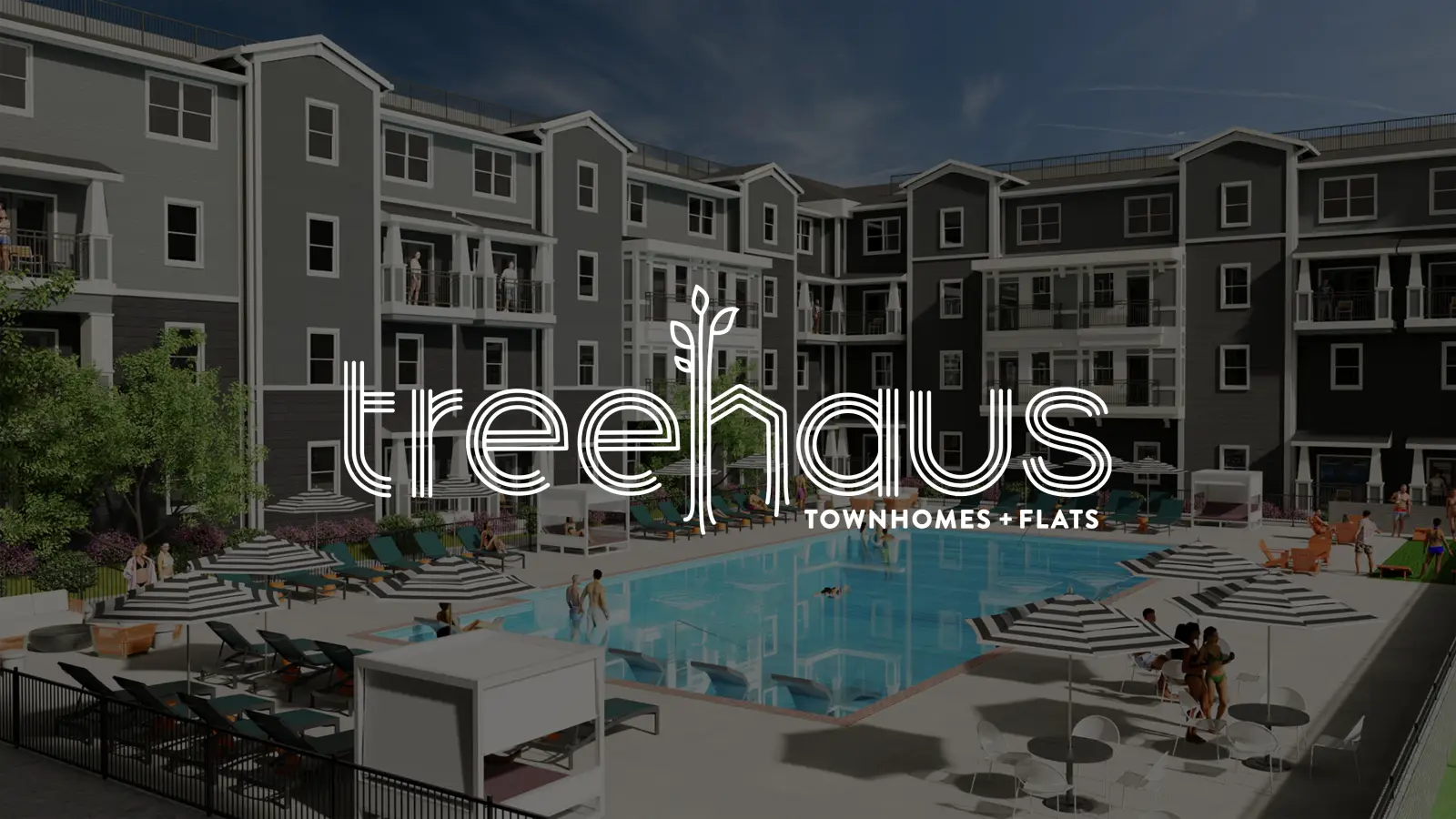
Treehaus Townhomes & Flats, a new community serving Clemson University, came to Threshold as an underperforming property in one of the most competitive student housing markets in the Southeast. It had no digital marketing program running and a full building to fill before its fall 2026 opening.
Threshold launched a full-funnel program across Google, Meta, and geofencing, paired with leasing analytics the on-site team could act on daily. By mid-July 2026, the property had reached 74.39% pre-leased for the 2026–2027 academic year, and it posted its strongest leasing month of the season during the period when leasing usually goes quiet.
“It’s been a battle in an extremely competitive market, but we are 1000% convinced Threshold’s analytics have given us a competitive advantage in the market.” – Roger Phillips, Texla Housing Partners, Inc.
Read the full Treehaus case study for the complete breakdown, including the lease totals, the daily numbers behind the turnaround, and how the strategy came together.
the takeaway.
A slow season is not a verdict. It is usually a signal that the property is invisible to the people still shopping. The properties that recover are the ones that keep showing up in the searches happening right now, and that can see clearly enough to move budget toward whatever is working this week.
If your property is behind and the calendar is working against you, let’s talk about what a real leasing analytics engine can do for your community.