Every student housing operator knows the feeling. It is early July, the fall semester is weeks away, and the preleasing number is not where it should be. The spring rush is over, the students who planned have already signed, and the leasing calendar says the busy season is behind you.
Most properties respond by bracing for a soft opening. A few decide July is worth fighting for, and those are the ones that surprise everybody.
why july feels like a dead end.
Student housing runs on an annual cycle that front-loads almost everything. Renewals and early signings dominate the fall and winter, the spring brings the last big wave of decision-making, and by summer most operators have accepted whatever number they are holding.
That assumption is where properties lose ground. There are still students looking in July. Plans fall through, roommate groups break up, transfers arrive, and students who spent the spring undecided finally start searching. The pool is smaller, but it is real, and it is competitive precisely because so few properties are still actively bidding for it.
the instinct that makes it worse.
When leasing slows, budgets tighten. Marketing spend gets pulled back to protect the bottom line, campaigns go quiet, and the property stops appearing in exactly the searches those late shoppers are running.
The property has now made its own forecast come true. Nobody sees the community, so nobody tours it, so the leases do not materialize, which confirms that July was a lost cause.
what actually moves the number.
Late-season leasing rewards precision. A student searching for housing three weeks before move-in has high intent and a short decision window. Reaching that person takes a few things working together:
Search capture at the moment of intent. Someone typing “student apartments near campus” is ready to act. Paid search puts the community in front of them immediately, without waiting on organic rankings to catch up.
Social prospecting to create demand. Search finds people already looking. Meta campaigns reach students and parents who have not started yet, which matters when the searching pool is thin.
Geofencing around the places that matter. Campus, competitor properties, and the corridors students actually travel.
Daily visibility into what is working. A monthly report cannot help a property in July. Knowing which source produced which lead, while there is still time to act on it, is what separates a recovered season from a missed one.
That last point is the one operators underestimate. Lead volume alone does not fill a building. Knowing which leads convert, which communities need attention, and where the next dollar should go is what turns activity into signed agreements. We have watched this play out on a property that started from zero, and the client credited the analytics layer the most.
a property that proved it.
Treehaus Townhomes & Flats, a new community serving Clemson University, came to Threshold as an underperforming property in one of the most competitive student housing markets in the Southeast. It had no digital marketing program running and a full building to fill before its fall 2026 opening.
Threshold launched a full-funnel program across Google, Meta, and geofencing, paired with leasing analytics the on-site team could act on daily. By mid-July 2026, the property had reached 74.39% pre-leased for the 2026–2027 academic year, and it posted its strongest leasing month of the season during the period when leasing usually goes quiet.
“It’s been a battle in an extremely competitive market, but we are 1000% convinced Threshold’s analytics have given us a competitive advantage in the market.” – Roger Phillips, Texla Housing Partners, Inc.
Read the full Treehaus case study for the complete breakdown, including the lease totals, the daily numbers behind the turnaround, and how the strategy came together.
the takeaway.
A slow season is not a verdict. It is usually a signal that the property is invisible to the people still shopping. The properties that recover are the ones that keep showing up in the searches happening right now, and that can see clearly enough to move budget toward whatever is working this week.
If your property is behind and the calendar is working against you, let’s talk about what a real leasing analytics engine can do for your community.
As the largest generation in the United States, Gen Z comprises individuals born between 1997 and 2012.
This generation has grown up with technology and the internet always readily available, making them highly tech-savvy and deeply connected to social media. With an estimated purchasing power of over $143 billion in the US alone, Gen Z is a highly influential market segment that cannot be ignored by real estate businesses.
As such, it’s crucial for real estate businesses targeting Gen Z to consider the importance of an adaptable logo that resonates with this audience.
What is an adaptable logo?
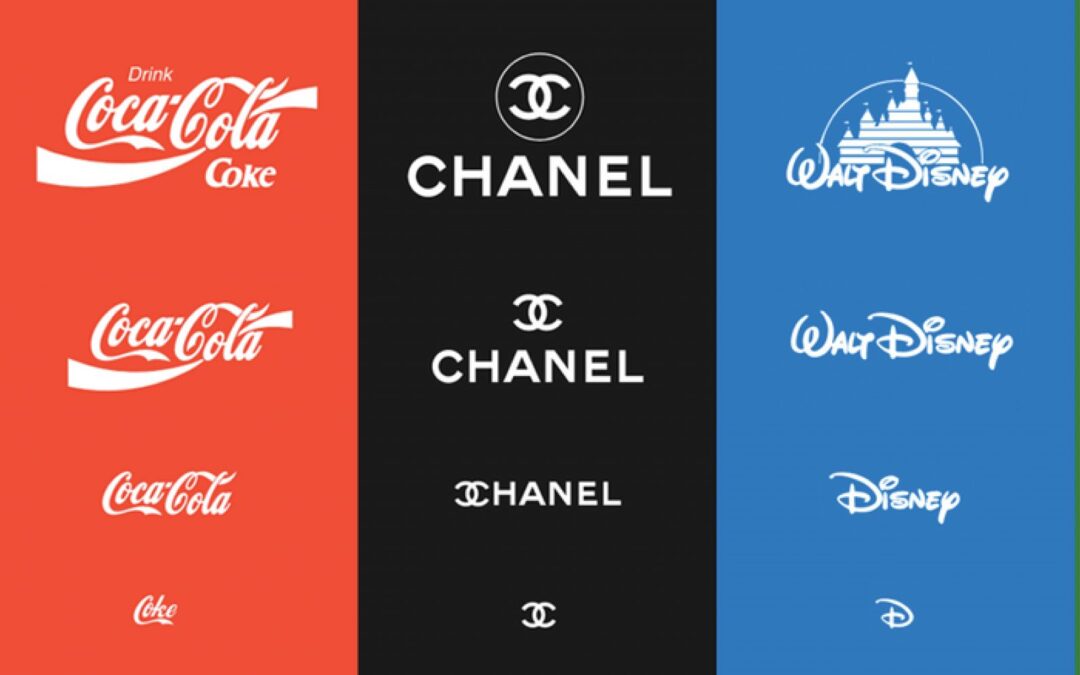
An adaptable logo is a visual representation of a brand that can be easily adjusted to work across different mediums, formats, and applications without losing its core identity or essence. It is designed to maintain a consistent look and feel across various marketing materials such as print, digital and social media. An adaptable logo can be resized, repositioned, or modified to suit different contexts, but it retains the same essential design elements that make it instantly recognizable as the brand’s logo. The goal of an adaptable logo is to ensure that the brand’s messaging is cohesive and memorable across all channels, while also allowing for flexibility and versatility in different marketing contexts.
Why you should be creating adaptable logos
Real estate businesses targeting Gen Z need to consider the importance of an adaptable logo for several reasons.
Easily sharable
An adaptable logo is shareable. In today’s digital age, social media platforms are a crucial part of any marketing strategy, and Gen Z is known for their love of sharing content. An adaptable logo that looks great on various platforms can help attract attention and increase shares, ultimately driving engagement and awareness.
Branding
Cohesive branding is key. Gen Z is highly skeptical of businesses that lack authenticity or appear to be inauthentic. An adaptable logo that maintains the same look and feel across all marketing materials can help establish a consistent and authentic brand image that resonates. Since this generation values authenticity and creativity, a logo that reflects those values will be more likely to capture their attention and earn their trust in the long run.
Integration
Seamless integration matters. As a tech-savvy generation, Gen Z expects businesses to have a strong online presence.
An adaptable logo that can be easily integrated into a website, a phone app, social media profiles, and other digital marketing channels ensures that the brand’s messaging is consistent across all channels, making it easier for them to recognize and engage with the brand.
Trust and awareness
A recognizable logo builds trust. For Gen Z, trust is a key factor in making purchase decisions. A recognizable logo that appears across different mediums and formats helps build brand awareness and establishes that trust, leading to increased customer loyalty and retention.
Forward-thinking
“Future-proofing” is essential. As a forward-thinking generation, Gen Z expects businesses to be proactive in adapting to new technologies and mediums.
An adaptable logo that can easily be updated to remain relevant in the ever-changing marketing landscape demonstrates a business’s commitment to innovation and staying ahead of the curve. Since they tend to stay on top of trends, Gen Z is quick to spot dated marketing and graphics.
To conclude
An adaptable logo is very crucial for real estate businesses targeting Gen Z. By having a logo that is versatile, consistent, recognizable, and “future-proof”, real estate businesses can attract and retain the loyalty of Gen Z customers in a highly competitive market.
As a result, they can establish a strong and authentic brand image that resonates with this influential audience, leading to increased brand awareness, engagement, and customer loyalty.
Before you go
Don’t forget, we’re experts when it comes to crafting marketing strategies that drive leasing results and building high-ranking SEO-friendly custom websites! Need help? Reach out to a CSM or any of our team members to get started on taking your marketing and SEO to the next level, see an increase in traffic, and watch the leads roll in.
For more tips and information about digital and real estate marketing, take a look at the rest of our blogs, right here on our website! You can also subscribe to our email newsletter, or follow us on Instagram, Facebook, or LinkedIn!
About the author
Mai is something of a superstar here at Threshold. Working exclusively as our Senior Designer, there is nothing she can’t create flawlessly for our clients, and our own TH brand. At the end of the day, our creative THeam would not be the same without her leading the way both in her ability to bring dreams to life, and her strategy behind it all.
When she’s not on the clock, Mai loves keeping her creative juices flowing by acting as a maker in her hobbies. From refinishing furniture to creating her own art, her mind is always fueling itself with brilliance and taste. She only wishes she had more time in her days to continue doing more of what she loves.
Digital marketing should be in your real estate marketing mix if it isn’t already. Whether you’re marketing a new lease-up looking to drive brand awareness or you’ve been established for a while and want to maintain a steady online presence, your property will benefit from digital marketing. The goal for any marketing campaign is to target the right audience, optimize towards conversion rates and continue to improve on them, increase customer loyalty, and gain better credibility. We’ve compiled a list of the top 8 digital marketing trends for 2023. Let’s take a look!
Gather 1st Party Data Through Forms
The trend to own your own data is growing. Being more proactive on attaining and implementing 1st party data is paramount in today’s day and age. Digital privacy laws are in place across the globe and it shows no signs of slowing down as users are looking to big data providers to become more private with the information they share. Forms are a great way for you to own user implemented data; the form used is a great way to keep the users engaged and to have a better success rate in gathering that data.
Build Your Email Marketing List
Email Marketing is a trend that continues to rise. 89% of marketers use email marketing as their primary method for generating leads. Being able to reach out to users who have subscribed to your email list but have not bought anything yet is a great way to reconnect with an interested user. Plus, you can leverage the first party data you’ve collected to personalize content for more accurate targeting email campaigns. .
Stand Out From The Competition
With many digital applications and tools out there, finding a way to use that application or tool in a new, creative way will help when it comes to real estate marketing. To find a way to get noticed and have users engage with your marketing efforts, you have to stand out among the competition. Consumers are looking for more personalized experiences and content curated specifically for them and their interests. Focus on collecting user generated content for short-form videos for TikTok and social media posts, or utilize surveys in stories or in email marketing to encourage engagement and gain valuable insights into what your audience likes or dislikes. Don’t be afraid to get creative and try something new. The data speaks for itself and will let you know if your efforts are working and resonating with your audience.
Incorporate Real-time Messaging Feedback
Real-time messaging would not be on this list 10 years ago. Consumers expect to get information as quickly as possible, and if you are not utilizing tools that collect information and provide instant responses, you may be missing out. We’re not just talking about answering phone calls. Most consumers prefer to interact with business digitally. Make sure you’re providing communication outlets on your website (chatbots), through social media, and texting.
Get The Most Out Of Influencer Marketing
Influencer Marketing is continuing to boom and doesn’t show signs of slowing down. Through social media funnels like TikTok, Instagram and YouTube, users have built “relationships” with influencers and that trustworthiness is what makes Influencer Marketing a success. As of now, ROI is about $5.50 for every $1 spent. One thing to keep in mind is that influencers are usually in niche spaces so aligning your product to their channels is ideal or your message may fall flat among their audience. Want to dive deeper into how utilizing influencers in your marketing strategy can benefit you? Check out our blog about How The Rise of Influencer Marketing Could Enhance Your Real Estate Marketing.
Provide Online Shopping Gratification
Similar to real-time messaging, consumers want what they want, and they want it now. We recommend removing any blockers that will hinder the customer’s online journey and cause them to look elsewhere. Utilize data from Google Analytics to understand where customers are dropping off on your website and find out ways to help answer questions that might stop them from buying. For example, offer virtual tours on your website or provide video walk-throughs for those who are not able to meet in-person, ensure you have a functioning website and applicant portal, and provide information on your website for those frequently asked questions, like pet fees, parking fees, etc..
Digital Marketing Agencies Are Growing
Outsourcing is a great way to get more done and free up your leasing teams to complete the most important step; converting the lead into a lease. Don’t let limited in-house resources hold you back from expanding upon your marketing efforts. Outsourcing to marketing agencies, like Threshold, could be the difference in small to large growth in your first year. When trying to find the best real estate marketing agency for your goals, consider Why You Don’t Need a Local Real Estate Marketing Agency Partner when making your decision.
Chatbots Increase User Experience
Building upon real-time messaging, Chatbots also have had time to mature. They help answer FAQs, collect first-party data, and provide the user instant information in a digestible way. Plus, they can take care of some of the communication that doesn’t need involvement from a real person, like scheduling a tour.
In the world of student apartment marketing, what you do during the spring and summer months can make all the difference in next year’s occupancy rates. If you’re struggling to fill your final beds for summer or fall semesters, this blog is for you. These digital marketing tips can help you get heads in beds fast.
Use Geofencing To Your Advantage
Know when your target audience is likely to be in town and take advantage of it with geofencing campaigns targeting specific locations. Housing fairs, new student or transfer student orientations, and community or leasing events open to the public are the perfect kinds of events to capture. Once you’ve captured your audience through this geofencing campaign, retarget them with tailored messaging to increase brand awareness, encourage tours, and increase foot traffic. Event retargeting allows you to connect more personally with the audience you captured because you know they attended a specific event for a specific reason and you have a solution to a need that they are looking to satisfy—a place to live.
Raise Your Ad Spend Now When It Matters Most
With most student housing properties, we see August move-in dates and May-July move-out dates, so don’t be afraid to spend your marketing budget in the spring when it matters most and you’re down to the wire to fill beds for summer or fall. Spend your budget on digital marketing tactics that will drive qualified traffic—like search ads—or increase brand awareness—like geotargeting or social ads. Speaking of social ads, don’t just stop at Facebook and Instagram. Think about TikTok and/or YouTube where a video component can go a long way to encourage online engagement. And don’t forget to implement a retargeting component to keep your brand top of mind as prospects continue shopping.
Scale your budget back when you’ve reached your leasing goals and maintain a presence online without breaking the bank. Then do it all again next year. Being flexible with your ad spend throughout the year helps maximize the impact of your ad budget by allowing you to solve for leasing challenges quickly or proactively get in front of them before they even become a challenge.
Strategically Expand Your Audience Targeting
Expand your audience targeting by creating custom audiences based on websites your audience may have visited such as a university housing page. Several tactics allow for customer matching or lookalike audiences. Use data that you already have collected to find similar users.
Refine Your Messaging to Earn More Qualified Traffic
What REALLY sets you apart from your competitors? Ask yourself the question, “Why would a student choose my property over our competitors?” Focus on one or two key differentiators in your ad messaging in order to tap into the segment of your student audience that really values what makes your community unique. For example, if your community is located right across from campus and your competitors are a mile away, focus on your location, using clever phrasing when you can. “Tired of taking the shuttle?” is a great way to get your point across in a playful way.
If you’re not sure what messaging to focus on, try listening to feedback from prospects and residents. What questions are they asking when they call you or visit your leasing office? What feedback have they given you about other properties they have visited in the area? What do they mention in positive reviews on your community? Notice any trends within the feedback and incorporate into your messaging where possible. Getting a lot of calls about pricing? Prominently display pricing in your ad copy and utilize price extensions in search. Getting a lot of questions about a specific floor plan layout? Create a carousel ad on social highlighting that floor plan, detailing the features, and incorporate some photos of that specific floor plan.
And don’t forget about the parents. Parents are still involved in housing decisions and are most likely paying the bills, so don’t leave them out. Your messaging can still be amenity focused and playful while still taking into account the things that are important to parents: all-inclusive living, fully furnished, privacy, etc. Just remember where your parent audience is. Most likely, parents are on Facebook while students are on Instagram, TikTok, or YouTube. Remember to use multiple ads and select different placements so you can tailor your messaging for students and parents.
Influencer culture is not going anywhere anytime soon. Influencer Marketing grew to approximately $13.8 Billion in 2021, with Instagram and TikTok leading the way. About 3/4 of Gen Zers and Millennials follow influencers on social media and over 50% say they trust the influencers they follow, according to The Influencer Report. In an Influencer Marketing Benchmark Report in 2021 with over 5,000 surveys with marketing agencies, brands & other relevant professionals, Influencer Marketing Hub found that 59% admitted to having a standalone budget for content marketing & 75% of them now intend to dedicate a budget to influencer marketing in 2021.
5 Reasons Why People Advertise Through Influencers:
People buy from people because it feels personalized & authentic
People want to see content that relates to them
People research on bigger commitments
People are more likely to buy if they come to you
People will read/view your content because they already cared to start with
Like, Subscribe & Growing
In the world of real estate marketing, shows like “Selling Sunset” on Netflix are popularizing real estate influencers or agents using their strong social media following. With the rise of niche micro-influencers since the pandemic started, and marketing platforms and agencies growing by more than 3 times since a few years ago, influencers will continue to entertain and establish a trustworthy relationship with Millennials, Gen Zers, and those who follow.


 Mai Mongelous





 Written by Alfred Perez, Digital Success Manager