
by threshold | Jul 10, 2024 | Creative, Design, Digital Marketing, General, Marketing, Thought Leadership

Mai Mongelous
In the world of business, marketing and branding are often used interchangeably, but they serve different purposes. While both are crucial to a company's success, understanding their differences can help you utilize them effectively. This blog post will delve into the distinctions between marketing and branding and why each is essential for your business.
what is branding?
Branding is the process of creating a unique identity for a product, service, or company. It involves defining the company's mission, values, and personality and how these elements are communicated to the target audience.
key components of branding:
- brand identity: This includes logos, color schemes, typography, and other visual elements that represent your brand.
- brand voice: The tone and style of communication used by the brand, whether it's formal, friendly, witty, or authoritative.
- brand promise: The value or experience a brand promises to deliver to its customers.
- brand values: The principles and beliefs that the brand stands for and promotes.
Branding is about shaping perceptions and building a reputation. It creates a connection with the audience, fostering loyalty and trust.
what is marketing?
Marketing, on the other hand, refers to the strategies and tactics used to promote and sell products or services. It involves market research, advertising, sales strategies, and customer engagement.
key components of marketing:
- market research: Understanding the target audience, their needs, preferences, and behaviors.
- advertising: Creating campaigns to promote products or services through various channels like social media, television, print, and online ads.
- content marketing: Producing valuable and relevant content to attract and engage the target audience.
- sales strategies: Techniques used to close sales and generate revenue.
- customer engagement: Building and maintaining relationships with customers through interactions and feedback.
Marketing is about reaching out to potential customers and persuading them to choose your product or service.
key differences between marketing and branding.
purpose:
-
- branding: Focuses on defining and communicating the identity and values of the company.
- marketing: Focuses on promoting products or services to drive sales.
scope:
-
- branding: Long-term and holistic, encompassing the entire company's ethos and image.
- marketing: Short-term and tactical, often campaign-based to achieve specific objectives.
outcome:
-
- branding: Aims to build a loyal customer base by creating a strong emotional connection.
- marketing: Aims to generate leads, increase sales, and boost market presence.
consistency:
-
- branding: Requires consistency in message and visual elements to maintain a coherent brand image.
- marketing: Can vary in message and tactics based on different campaigns and target audiences.
why both are essential.
While branding establishes your business's identity and builds customer loyalty, marketing drives the immediate actions that result in sales. Together, they create a powerful synergy. A strong brand makes marketing efforts more effective, and effective marketing enhances brand recognition and loyalty.
By understanding and leveraging the distinct roles of marketing and branding, businesses can create a strong, recognizable presence and effectively reach their target audience.
Remember, while marketing brings in customers, branding keeps them coming back.
by threshold | Jul 2, 2024 | Digital Marketing, General, Marketing
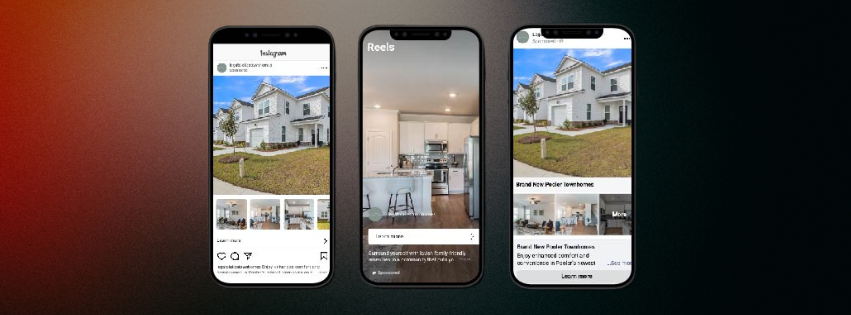
Legato Lakes, a pet-friendly townhome community situated in Pooler, GA, embarked on a marketing campaign with Threshold to drive leasing activity and achieve a 94% occupancy goal by April 2024. With a focus on showcasing its brand-new, smart home features, and scenic lake views, Legato Lakes aimed to attract prospective residents through targeted digital campaigns.
Commencing on August 22, 2023, Threshold launched campaigns for Legato Lakes primarily on Google Search and Paid Social platforms (Facebook & Instagram Ads). Leveraging its unique selling points, including smart home features, lake views, and private fenced yards in select homes, the community sought to resonate with potential tenants seeking modern and convenient living spaces.
The campaign yielded impressive digital and leasing results:
- Total Impressions: 318,378
- Total Clicks to the Website: 20,248
- Paid Search Website Traffic Engagement Rate: 79%
- Paid Social Website Traffic Engagement Rate: 62%
- Leasing Goal Achievement: Exceeded the 94% occupancy goal by reaching 100% by April 1st
- Lease Conversion: Exceeded monthly goals with more than 6 leases signed each month
- Total Leases Signed: 54 leases signed over 6 months
The campaign generated significant digital engagement, with high click-through rates and website traffic engagement rates on both paid search and social media platforms. This indicates effective targeting and compelling ad content that resonated with the target audience.
Legato Lakes surpassed its leasing goal well ahead of schedule, achieving full occupancy by April 1st. The consistent lease conversion performance, with more than 6 leases signed each month, demonstrates the effectiveness of the marketing efforts in driving tenant interest and conversion.
The community’s emphasis on modern amenities, such as smart home features, along with the allure of lake views and private fenced yards, proved to be compelling selling points that attracted renters seeking quality living experiences.
In conclusion, Threshold’s strategic digital marketing campaign for Legato Lakes effectively drove leasing activity and surpassed occupancy goals, showcasing the community’s appeal and attracting renters seeking modern, pet-friendly townhome living in Pooler, GA. By leveraging its unique features and amenities and maintaining a focus on customer satisfaction, Legato Lakes is positioned for continued success in the competitive rental market.

by threshold | Jun 24, 2024 | Culture, Digital Marketing, General, Marketing, Thought Leadership
 Alfred Perez
The short-term rental market has experienced significant transformations over the past few years, driven by technological advancements, changing travel behaviors, and evolving consumer preferences. As we delve into 2024, several trends are shaping this dynamic industry, offering insights into what hosts, property managers, and travelers can expect.
the rise of digital nomadism.
One of the most significant shifts in the short-term rental market is the rise of digital nomadism. The COVID-19 pandemic accelerated remote work trends, allowing professionals to work from virtually anywhere. This flexibility has led many to adopt a nomadic lifestyle, moving between cities and countries while maintaining their jobs. Consequently, there is an increased demand for rentals that cater to longer stays and provide amenities conducive to remote work, such as high-speed internet, dedicated workspaces, and quiet environments.
growth of suburban and rural rentals.
While urban centers have traditionally dominated the short-term rental market, there's been a noticeable shift towards suburban and rural areas. Travelers are increasingly seeking escapes from crowded cities, opting for the tranquility and space offered by less densely populated regions. This trend has been fueled by a desire for more outdoor activities, privacy, and unique experiences that are often less accessible in urban settings.
increased use of technology.
Technology continues to revolutionize the short-term rental industry. Property management software, smart home devices, and advanced booking platforms enhance the guest experience and streamline operations for hosts. Keyless entry systems, automated check-in/check-out processes, and AI-powered customer service are becoming standard features. Additionally, data analytics tools help hosts optimize pricing and occupancy rates, improving profitability.
personalization and unique experiences.
Travelers are increasingly seeking personalized and unique experiences. Hosts are differentiating their properties by offering tailored services and local experiences, such as guided tours, cooking classes, and adventure activities. Themed rentals, boutique accommodations, and properties with distinctive architectural or historical significance are particularly popular. Personalization extends to communication as well, with hosts using automated messaging systems to provide guests with customized recommendations and local insights.
diverse accommodation options.
The diversity of accommodation options within the short-term rental market is expanding. Beyond traditional homes and apartments, travelers are exploring stays in tiny houses, treehouses, yurts, and houseboats. This variety caters to different tastes and preferences, offering unique and memorable experiences. The trend towards alternative accommodations reflects a broader desire for novelty and adventure in travel experiences.
to wrap things up.
The short-term rental market is evolving rapidly, driven by changes in traveler behavior, technological advancements, and broader societal trends. Hosts and property managers who stay ahead of these trends can capitalize on new opportunities and meet the evolving demands of modern travelers. Whether it's catering to digital nomads, embracing sustainability, or leveraging technology, the future of short-term rentals promises to be dynamic and full of potential.

by threshold | Jun 16, 2024 | Digital Marketing, General, Marketing
Welcome to the dynamic world of marketing. Over the decades, the marketing landscape has transformed dramatically, adapting to new technologies, shifting consumer behaviors, and evolving business needs.
From the early days of traditional marketing to the digital era we thrive in today, the journey has been nothing short of fascinating. Join us as we explore the key milestones in the evolution of marketing and see how Threshold can help you navigate this ever-changing terrain.
After all, we’re here to market your everything – didn’t you hear?
the traditional marketing era: tried and true
Before the internet took the world by storm, marketing was all about traditional methods. Picture this: glossy magazine ads, catchy radio jingles, and eye-catching billboards. These methods ruled the marketing landscape for decades. They were effective in reaching a broad audience and building brand recognition.
However, traditional marketing often came with high costs and limited ways to measure precise ROI.
the digital revolution: enter the internet.
As the internet emerged, it brought along a seismic shift in how businesses could connect with their audiences. Websites became the new storefronts, and emails started replacing direct mail. Search engines like Google transformed how people discovered products and services.
This digital revolution provided marketers with new tools and strategies, offering more targeted, cost-effective, and measurable approaches to reach consumers.
social media: the game changer.
The 21st century ushered in the era of social media, changing the marketing game forever. Platforms like Facebook, Instagram, Twitter, and LinkedIn became the new playgrounds for brands to engage with their audiences. Social media marketing allowed businesses to interact with consumers in real-time, creating a two-way communication channel that was unprecedented.
It’s no longer just about broadcasting messages; it’s about creating conversations.
the mobile movement: marketing on the go.
With smartphones becoming ubiquitous, mobile marketing has become a crucial part of the digital marketing mix.
People are constantly connected, checking their phones for updates, making purchases, and consuming content on the go. This shift has driven marketers to optimize their strategies for mobile devices, ensuring seamless experiences across all screens.
data-driven decisions: the rise of analytics.
One of the most significant advantages of digital marketing is the ability to collect and analyze data. Gone are the days of guessing which campaign might work best.
Today, marketers rely on analytics to make informed decisions, track performance, and refine their strategies. Data-driven marketing allows for personalized experiences, ensuring that the right message reaches the right audience at the right time.
the future: ai, vr, and beyond.
As technology continues to advance, the future of marketing promises even more exciting developments. Artificial Intelligence (AI) is already making waves with chatbots and personalized recommendations. Virtual Reality (VR) and Augmented Reality (AR) are opening new doors for immersive brand experiences.
Staying ahead of these trends is crucial for businesses aiming to maintain a competitive edge.
partner with threshold: marketing your everything.
Navigating the ever-evolving marketing landscape can be daunting, but you don’t have to do it alone. At Threshold, we take pride in our ability to market your everything. Our team of experts is here to help you harness the power of both traditional and digital marketing to create a comprehensive strategy tailored to your unique needs.
Whether you’re looking to revamp your social media presence, optimize your mobile marketing, or dive into data analytics, we’ve got you covered.
before you go.
For more tips and information about marketing your everything, take a look at the rest of our blogs, right here on our website! \
You can also subscribe to our email newsletter (it’s got some great stuff), and follow us on Instagram, Facebook, or LinkedIn!
about the author.
Ava is the SEO & Paid Media Specialist at Threshold.
In her role, she is responsible for the content creation and management of all Threshold and PromoShak social channels, blog content, and SEO maintenance. She also aids in internal and client-facing digital marketing strategies.
When she’s not busy creating content, you can usually find her picking out new plants, island-hopping, watching Duke basketball, or spending time with her fur babies.
by threshold | Jun 6, 2024 | Creative, Design, Digital Marketing, General, Marketing
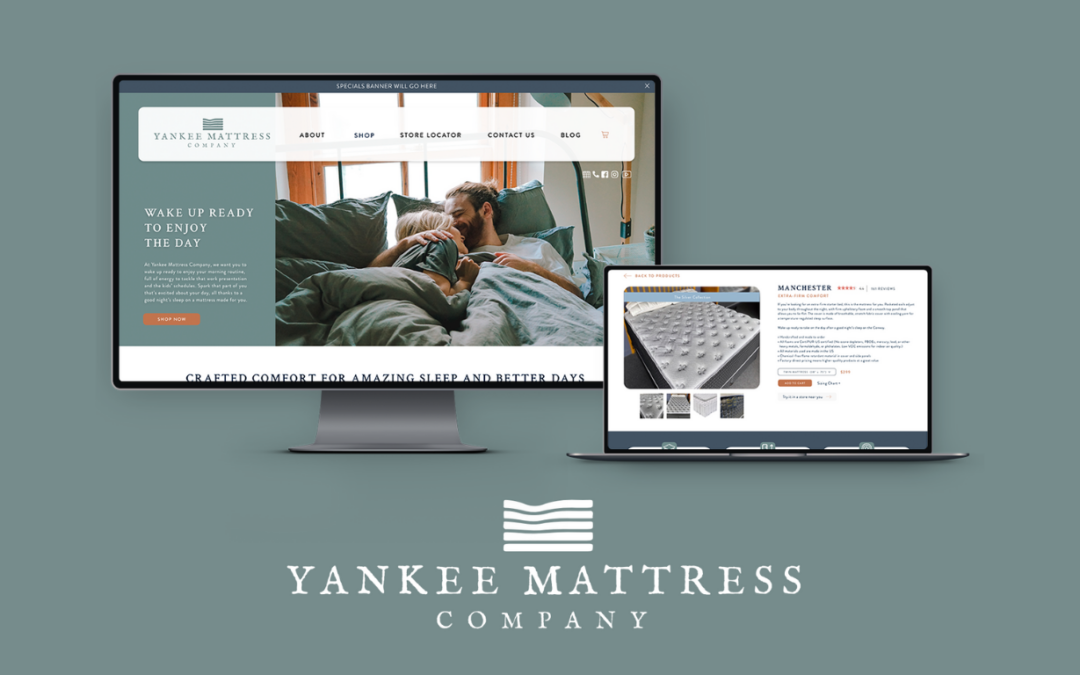
Yankee Mattress Company was looking for a revamp to its branding along with a new e-commerce website. They needed a more focused approach to their target market, with stronger messaging and values that elevated their branding to the same level as their high-quality mattresses.
Threshold wanted to position Yankee Mattress as more than a retail store, but an employee-owned company that’s invested in their customer’s quality of life.
our approach.
new brand positioning & naming.
Following extensive market and customer research, Threshold created two brand concepts for the client to choose from, both with a core purpose, messaging, tagline, brand voice, and visuals. Each concept brought the brand to a more modern place, differentiating it from competitors by highlighting the craftsmanship that goes into their mattresses.
a new brand look & feel.
The brand’s new messaging needed a new logo, brand guidelines, stationary, photography, apparel design, and more. We chose to design this brand with a logo font that spoke to handmade craftsmanship and a subtle mattress icon that would become a recognizable brand statement.
a killer e-commerce website.
Yankee Mattress’ previous website didn’t allow for a streamlined online ordering experience. Our website design included easily navigable shopping categories as well as detailed shop pages. Each mattress product page included custom graphic designs that detailed each section of the mattress materials, making it easy for customers to browse and select the mattress best suited for them.
We designed this website to mimic the in-store experience customers have, providing them with clear information so they could make informed decisions.
we love results.
The final brand not only connects better with the target audience, but it feels timeless and elevated. Each aspect of the brand ties in seamlessly with the next, inspiring the company’s employee-owners and ensuring the quality of the mattresses is felt within the quality of the branding.
One Year Post Website Launch (April 2023-March 2024):
- 446 New Users
- 7% Increase in Engagement Rate
- A 7% Reduction in Bounce Rate
before you go.
Yankee Mattress Company can now confidently say they’re crafting comfort for amazing sleep and better days. See the case study for a full look at the transformation our THeam created for them – and what we can do for you, next.
Let’s propel you forward too! Your place for your every marketing need, with us you can go a la carte or take all the carts. Talk to a Marketing Specialist today.

by threshold | May 24, 2024 | General

Cody Rudolph
Effective communication has always been the cornerstone of successful marketing.
Nothing’s changed in 2024.
But many businesses still struggle with overly salesy copy and technical jargon that confuses potential clients. Or they use vague, “fancy pants” verbiage in an effort to sound clever.
This article will provide clear, actionable advice on how companies can communicate effectively—and in a way that attracts clients, partnerships, and even envy from your competitors.
dangers of “salesy” copy and “fancy” words.
Imagine a scene from your favorite courtroom drama.
The “lawyers” speak to each other at a frantic pace, pausing every few seconds to toss in silly legal jargon that makes no sense to most of the viewers. Now, this manner of speaking is part of the appeal of tv shows–the lawyers are supposed to know things the viewers don’t and appear more intelligent as a result.
But what if you were a juror in a real courtroom, listening to a real lawyer speak to the judge in the same way? You’d feel confused, alienated, maybe even embarrassed. Naive. These are the same negative emotions your clients and partners feel when they don’t understand your offer, your brand values, or the words you use.
Thankfully, there are ways for companies to avoid these pitfalls. Here’s how.
simplify and humanize your message.
Fun fact: 74% of adults in the US read at a 6th grade level. (Source.)
That means there are roughly 224 million people in the US that don’t know what “pro forma” or “TBD by EOD” means.
Consider the words used during a conversation with a stranger at the supermarket. Or how you’d explain a mortgage loan to a teenager. How we talk in everyday life is more-or-less how companies should communicate in their marketing.
There are outliers, of course. For example, you wouldn’t want to send company shareholders an email that starts with “Hey fam!” But the goal is to use a common language that broadens your reach.
Here are three practical tips for simplifying your copy:
- Use short sentences and familiar words.
- Break down complex ideas into digestible parts.
- Avoid industry-specific terms unless they are universally understood by your audience.
Example: Instead of saying, “Our comprehensive asset management solutions are designed to optimize your property portfolio’s performance,” say, “We help you manage your properties better, saving you time and money.”
build trust through transparency and value.
It’s crucial to build trust and demonstrate the value your business brings to current clients, prospects and partners.
Here are some strategies:
- Transparency: Be open about your processes, pricing, and results. People appreciate honesty and are more likely to work with a company that is upfront about what they can expect.
Example: Offer a clear breakdown of your services and costs, along with case studies that showcase your successes.
- Value Proposition: Be clear about the benefits of working with your company and how your services solve specific problems.
Example: Instead of saying, “We’re your premiere partner for growth capital acquisition,” say, “We find the money your business needs to keep growing.”
provide clear directions.
Finally, to drive action, make it very clear what you want people to do and encourage them to do it. How? Provide a clear offer, compelling calls to action (CTAs) and make the next steps straightforward.
here’s an example of providing clear directions for a newsletter sign up page and follow-up email sequence:
- Offer: “Weekly newsletter with case studies, industry insights, and emerging trends. Sent to your inbox every Monday morning.”
- CTA: “Sign up for our newsletter.”
- Thank-You Page: “Thank you for signing up to our newsletter. You’ll soon receive a Welcome email guiding you through next steps and what you can expect in our weekly newsletter.”
- Welcome Email: “Hello! Thanks again for signing up to receive our newsletter. It’ll hit your inbox every Monday morning! (Just in time for the day’s first coffee.) And comes packed full of useful information our team finds from across the web…”
See how each step of the process clearly communicates an offer, desired action, or next step in the process.
And if you think the copy sounds repetitive–you’re right. Clear messaging is repetitive by design.
That’s why there are road signs every few dozen yards along the highway. Because people need constant reminders about what we should be doing, where we’re headed, and what we can expect as we approach our destination.
conclusion: talk like you would to a stranger.
The nice thing about talking to strangers is that you don’t know what to expect. And because you don’t know what to expect, most people automatically revert to a simpler form of communication.
No lingo. No shared knowledge or experiences. No common phrases.
Instead, you have to explain who you are, the value you provide, what you want the other person to do, and walk them through the steps to get there—it’s the simplest, most straightforward kind of communication two adults can have.
And it’s a style of communication companies can adopt to speak more clearly, connect with a broader audience, and gain deeper trust with existing clients and partners.