by threshold | Aug 27, 2026 | Digital Marketing, Financial Marketing, General
Privacy changes have changed the retargeting playbook. For multifamily teams and community banks, the right answer is not chasing third-party cookies. It’s building a first-party data strategy that ties digital touchpoints to physical promo fulfillment and CRM activation. Here is a crisp, practical guide you can implement this month.
why cookieless retargeting matters now.
Browsers and platforms have made third-party cookies unreliable. Apple privacy updates and tighter browser limits mean traditional retargeting campaigns will lose reach and accuracy. That hits high-intent channels for leasing and banking hardest. If you want predictable conversions, you need data you own and a way to turn it into action without relying on external trackers.
the threshold playbook: a 6-step roadmap for cookieless retargeting.
This playbook pairs first-party data capture with fulfillment-triggered touchpoints. It is built for speed, compliance, and measurable lift. Use it for multifamily retargeting strategies or community bank digital marketing.
1. capture first-party signals at every touchpoint.
Start by collecting reliable identifiers. That includes email, phone, device data from your site, leasing portal activity, form submissions, and on-branch signups. For banks, add account opening forms and in-branch events. For apartments, add floor plan downloads, tour bookings, and waitlist signups. Make sure every form asks permission for contact and stores consent flags in your CRM.
2. build a privacy-first data layer and CRM schema.
Design a unified record per lead. Link web behavior, offline interactions, promo fulfillment history, and consent status. Use hashed identifiers for matching so you can activate audiences without exposing raw PII. For community bank digital marketing, document retention policies and encryption standards so your team can answer audits quickly.
3. segment and score for intent.
Turn first-party signals into audience segments. Examples:
- Multifamily high intent: scheduled a tour in the last 14 days and viewed 3 or more floor plans.
- Bank high intent: started account form and visited rate page more than twice.
Score leads by recency and depth of activity. These segments feed your retargeting channels and your fulfillment triggers.
4. activate without third-party cookies.
Use server-side activation and CRM-to-platform connections. Send hashed emails and phone numbers to platforms that accept first-party lists for matching. Run contextual and cohort-based ads for broader reach while using your matched lists for high-intent follow-up. Keep ad creative tight and message consistent with the fulfillment touchpoint you plan to send.
5. use promo fulfillment as a retargeting trigger.
This is where Threshold stands out. Branded welcome kits, on-site swag, and mailed offers do double duty. They act as offline confirmations of interest and as signals to your CRM to move leads into higher-touch sequences. Practical examples:
- Multifamily: When a prospect schedules a tour, immediately send a small welcome kit. Once the kit ships, update the CRM to fire SMS reminders and an email with a virtual tour link.
- Community bank: A new account applicant receives a branded debit card sleeve and welcome packet. When fulfillment completes, trigger a personalized financial education drip and a cross-sell ad cohort.
Promo fulfillment improves conversion and provides a clean event you can use for privacy-compliant remarketing without cookies.
6. measure, attribute, and iterate.
Define simple KPIs. For multifamily: tour-to-lease rate, cost per lease, and time-to-lease. For banks: account funding rate, new deposit volume, and cost per funded account. Use CRM event timestamps to attribute conversions to fulfillment triggers and first-party ad activations. Run A/B tests where you split segments between a promo fulfillment path and a control path to quantify uplift.
practical play examples.
short campaign for a lease-up.
Capture emails on new community landing pages with an incentivized floor plan download. Schedule tours and immediately send a branded tote or keychain. When the tote ships, push that audience to your matched list and a contextual ad buy. Send a lease incentive email 3 days after fulfillment. Measure signed leases within 30 days.
community bank onboarding funnel.
When an online applicant submits an ID, mark consent and stage in the CRM. Ship a welcome packet with printing of account number and a small branded notebook. On shipment, trigger a personalized video email explaining next steps and a matched-audience ad that highlights local branch services. Track funded accounts within 15 days.
compliance and security notes.
Keep consent records with timestamps. Hash PII before sending to ad platforms. Limit access to raw customer data and document your retention schedule. For community banks, align with your compliance officer and keep a clear audit trail for any third-party vendors handling fulfillment or data matching.
quick implementation checklist.
- audit current first-party signals and consent flows
- create a single CRM record for each lead and a hashing process for PII
- map segments and scoring rules tied to fulfillment triggers
- set up server-side activations and matched list uploads
- select promo SKUs that match the audience and budget
- instrument measurement events and a simple A/B test
Cookieless retargeting is not theory. It is practical work you can start this week. Threshold combines bank-grade data processes, rapid creative execution, and promo fulfillment to make these campaigns real fast. Want to run a pilot for a lease-up or new account drive next month? Yep, we can do that.

by threshold | Aug 5, 2026 | Digital Marketing, Marketing
 Laura Robbins, Corporate Marketing Manager
Most senior living lead generation is still running a playbook written for a market that no longer exists.
You know the plays. Limited-time incentive. Two units left at this price. Call now before rates go up. The whole thing is built on manufactured scarcity, because for most of the last decade the industry had a supply problem. Too many units, not enough qualified prospects, and a sales floor that needed something to push against.
That market is gone. And the tactics built for it are now actively working against you.
the market urgency that was built no longer exists.
The numbers aren’t subtle. Senior housing occupancy hit 89.9% in the second quarter of 2026, and inventory growth has stayed below 1.0% for five straight quarters. Assisted living inventory grew just 0.3% year over year against a historical average north of 3%. Fifteen of 31 primary markets are now at or above 90% occupancy, triple the number from three quarters earlier.
Demand is outpacing supply. You do not need to manufacture urgency in a market that already has it.
Meanwhile, inquiry volume is going the other direction. Aline’s 2026 benchmark report — built on more than 95,000 active researchers — found overall inquiries declined year over year, with assisted living taking the sharpest drop. Independent living was the outlier, posting double-digit inquiry growth.
So: fewer inquiries, tighter supply, and a sales cycle running 70 to 100 days in assisted living and 90 to 120 in independent living. The math has flipped. Every inquiry is worth more, and the cost of mishandling one has gone up accordingly.
your prospect decided before they filled out the form.
Here’s the part that breaks the old model. By the time someone submits a form, they’ve already done the work.
They’ve read your reviews. They’ve compared you against three competitors. They’ve asked ChatGPT which memory care community in their area handles late-stage dementia well, and they’ve read the answer without ever visiting your site. Aline’s data shows AI-driven search is already redistributing where engagement lands. More intent-driven discovery, more form submissions, and a research phase happening somewhere you can’t see it.
And they’re arriving skeptical. Creating Results characterizes today’s prospects as “more informed, more skeptical, and more intentional,” cross-checking claims and hunting for credibility signals before they’ll engage. U.S. News found that 94% of people choosing post-acute care after a hospitalization used at least one information source beyond the hospital’s own recommendation. Nobody is taking your word for it.
The form fill isn’t the start of the conversation. It’s a request for confirmation of a decision they’ve mostly already made.
That changes what your marketing has to do. It can’t create demand. It has to earn a place in a shortlist that gets assembled without you in the room.
urgency now reads as a warning sign.
When a buyer is skeptical and doing homework, pressure tactics don’t accelerate anything. They disqualify you.
Think about who’s actually making this call. Increasingly, it’s not a crisis-driven family. Half of Americans 75 and older live alone, along with one in three between 54 and 74, and only 26% of solo-agers believe their support network could handle long-term care. These are people planning, deliberately, often for themselves. Aline’s data shows older adults now initiate most of the research directly.
A planner who encounters “two units left at this price” does not feel urgency. They feel handled. And they move on to the community that felt straightforward.
The trust penalty extends to how you produce content, too. Percify found 78% of consumers would trust a brand less if they discovered AI-generated copy had been passed off as human-written. In a category where trust is the entire purchase, that’s not a small risk.
how to generate leads for senior living facilities in 2026.
The shift is from generating volume to compressing the trust gap. Four things move that needle:
Publish the things everyone else hides. Starting pricing. Real staffing ratios. Actual care-level transitions and what triggers them. 36% of senior living shoppers name transparent pricing as the single most important factor in online research.
Answer the question, not the keyword. AI answer engines synthesize from specific, experience-level detail. “How the memory care team handles sundowning,” not “compassionate care in a warm environment.” Content that reads like a brochure has nothing for a model to extract. Content that reads as an honest answer gets cited.
Treat reviews as your primary lead gen channel. They’re the highest-leverage trust asset you have. They feed AI-generated summaries, and most operators manage them reactively. Reviews mentioning specific programs and staff carry disproportionate weight in both human and machine evaluation.
Fix response before you buy another lead. This is the unglamorous one. BILD & Co reports that 80% of web inquiries go entirely unanswered, and 92% get no response within 24 hours. It takes an average of three calls for a prospect to reach a sales associate. WelcomeHome’s CRM data shows roughly half of families never hear from an executive director after a tour, and that a single ED call post-tour can cut the sales cycle dramatically.
You cannot out-spend a broken follow-up process. Increasing lead volume into a funnel that ignores four out of five inquiries is just a more expensive way to lose.
stop optimizing for cost per lead.
Cost per lead is the metric that keeps the urgency playbook alive, because urgency does produce cheap leads. It just doesn’t produce move-ins.
Tour-to-move-in conversion has slipped to 29–34%, down from 31–36% in 2024. Inquiry-to-move-in sits at 8–12%. Median cost per move-in runs about $3,400 in assisted living and $4,600 in memory care. Those are the numbers that determine whether your marketing is working.
A more expensive lead that converts at twice the rate is the better lead. Every time.
The operators winning right now are the ones a family already trusted before the phone rang.

by threshold | Jul 23, 2026 | Digital Marketing, Marketing
You have seen the numbers for a grand opening. The massive spend on digital ads, the temporary signage, and the high-energy events are designed to get those first leases signed. It is a sprint to the finish line, and the momentum is intoxicating. But what happens once the building hits 95 percent occupancy? Too often, the marketing budget for those residents drops to zero. We call the work that happens after move-in the Invisible Lease-Up, and it is the most profitable strategy you are probably ignoring.
the hidden math of multifamily tenant retention marketing.
Every time a resident hands back their keys, your bottom line takes a hit that goes far beyond a few weeks of lost rent. You are looking at turnover costs like repainting, deep cleaning, and potential floorboard repairs. Then there is the cost of finding someone new: the marketing spend to get a lead, the time your leasing team spends on tours, and the administrative burden of a new application.
When you compare the cost of a renewal to the cost of a new lease, the winner is clear. Apartment renewal strategies are not just about being nice to people. They are about protecting your Net Operating Income. By shifting a portion of your lead generation budget toward the people who already live in your community, you are investing in a much higher return.
marketing to the neighbors you already have.
The biggest mistake in property management is treating retention like a 60-day window. If the first time a resident feels “marketed to” is when their renewal notice hits their inbox, you have already lost. True resident loyalty programs are built on a year-round connection that makes the decision to stay feel like the only logical choice.
physical touchpoints that create community.
In a world of digital noise, physical items still carry immense weight. High-quality branded apparel or thoughtful move-in gifts do more than just put a logo in someone’s hands. They create a sense of belonging. When a resident wears a high-end hoodie with your property’s branding or uses a premium coffee tumbler provided by the leasing office, they aren’t just a tenant. They are part of a club. These small investments in the ROI of resident experience pay off every time a resident chooses to stay another year.
communication beyond the maintenance request.
Most residents only hear from the office when there is a problem or a bill. You can change that dynamic by using your digital platforms to highlight the lifestyle your community provides. Share news about a new local coffee shop, host a quick social media contest, or send out a monthly update that focuses on the neighborhood. It keeps your brand top of mind positively, rather than a purely transactional one.
making loyalty part of your property management marketing plan.
A successful retention strategy requires the same level of creative thinking and data tracking as your lead generation. You need to know which amenities people actually use and which events get the best turnout. This data allows you to tailor your outreach so it feels personal rather than automated. People don’t leave communities where they feel seen and valued.
the retention advantage:
- lower vacancy loss and turnover expenses
- reduced pressure on the leasing team to find new leads
- higher quality online reviews from long-term residents
- a stable, predictable community culture
Focusing on the Invisible Lease-Up does not mean you stop looking for new residents. It means you stop treating your current ones as finished projects. When you treat a renewal with the same level of excitement as a new move-in, your residents notice. And more importantly, your bank account notices too.
At Threshold, we know that your marketing needs to do more than fill units. It needs to keep them full. Whether you need high-end promotional products to wow your residents or a digital strategy that keeps your community engaged, we are here to help you win the long game. Need a partner who can handle the creative, the logistics, and the strategy all at once? Yep, we can do that.
by threshold | May 25, 2026 | Digital Marketing, Marketing
Fairways at Star Ranch’s digital footprint was suffering from budget dilution under a previous agency. By leaning too heavily on broad, unmonitored automated setups, their budget was bleeding out into broad geographic radii and completely irrelevant search terms. They were chasing “vanity traffic” instead of real renters, causing their Cost Per Click (CPC) to balloon to an inefficient $4.46 while their Click-Through Rate (CTR) stagnated at 1.60%.
When Threshold stepped in, we knew we could fix the problem without a bigger budget.
the pivot: trading clicks for leases.
Our rescue strategy focused on stripping away the automated bloat and reintroducing hyper-targeted precision.
First, we phased out underperforming Performance Max and broad “Near Me” campaigns. While Performance Max generated plenty of lookers, its substandard 0.95% CTR proved it wasn’t reaching active prospects. In its place, we launched granular, dedicated Search campaigns designed to capture 100% of bottom-funnel demand exactly when a prospect searched for the property by name.
Next came account hygiene. We implemented an aggressive negative keyword scrubbing process, instantly stopping the cash bleed on high-cost terms that yielded zero engagement. By buying our own branded terms at an ultra-efficient $0.71 CPC, we allowed the property’s budget to work nearly six times harder than before.
from stagnant to skyrocketing: the results.
The turnaround was immediate. By moving away from surface-level clicks and focusing exclusively on the deep-funnel actions that drive physical property occupancy, the property saw a total performance reversal between the previous period (July–September 2025) and the Threshold period (October–December 2025):
-
Grand Total CPC dropped 43% to $2.53, landing perfectly within our target benchmark.
-
Total CTR jumped from 1.60% to a highly relevant 10.46%.
More importantly, the quality of lead generation completely transformed. Direct prospect calls skyrocketed from 11.10 under the previous agency to 185.95 with Threshold—a massive 1,575% increase. Meanwhile, tour schedules (the primary driver of physical occupancy) grew from 6.48 to 31.99, marking a 393% surge in high-intent leasing actions. This deep-funnel momentum carried over to bottom-funnel intent, where availability checks climbed 162%, rising from 382.17 to 1,001.95 events.
client satisfaction.
The data tells a compelling story, but the true validation of this structural rescue came from the team experiencing it firsthand on the ground.
“Threshold outperformed prior-year metrics as well as the months immediately preceding the transition across nearly every category we measured, including ROAS, click-through rates, lead-to-lease conversion ratios, overall conversions, and campaign engagement quality,” says Cortney Young, Regional Marketing Manager at Willow Bridge. “What impressed us most was that the improvements were not isolated to one metric—they were consistent across the full performance funnel.”
– Cortney Young, Regional Marketing Manager, Willow Bridge
By trading unmonitored automation for expert human strategy, The Fairways at Star Ranch filled their leasing office with high-value prospects ready to sign leases.
by threshold | Jan 24, 2023 | General

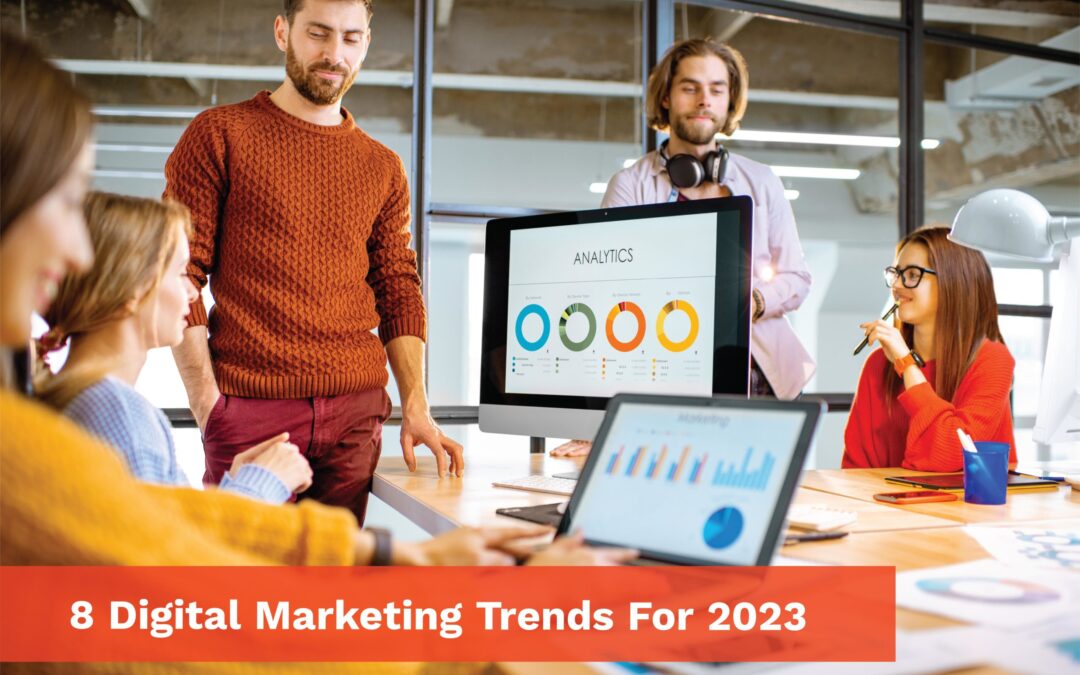
Digital marketing should be in your real estate marketing mix if it isn’t already. Whether you’re marketing a new lease-up looking to drive brand awareness or you’ve been established for a while and want to maintain a steady online presence, your property will benefit from digital marketing. The goal for any marketing campaign is to target the right audience, optimize towards conversion rates and continue to improve on them, increase customer loyalty, and gain better credibility. We’ve compiled a list of the top 8 digital marketing trends for 2023. Let’s take a look!
Gather 1st Party Data Through Forms
The trend to own your own data is growing. Being more proactive on attaining and implementing 1st party data is paramount in today’s day and age. Digital privacy laws are in place across the globe and it shows no signs of slowing down as users are looking to big data providers to become more private with the information they share. Forms are a great way for you to own user implemented data; the form used is a great way to keep the users engaged and to have a better success rate in gathering that data.
Build Your Email Marketing List
Email Marketing is a trend that continues to rise. 89% of marketers use email marketing as their primary method for generating leads. Being able to reach out to users who have subscribed to your email list but have not bought anything yet is a great way to reconnect with an interested user. Plus, you can leverage the first party data you’ve collected to personalize content for more accurate targeting email campaigns. .
Stand Out From The Competition
With many digital applications and tools out there, finding a way to use that application or tool in a new, creative way will help when it comes to real estate marketing. To find a way to get noticed and have users engage with your marketing efforts, you have to stand out among the competition. Consumers are looking for more personalized experiences and content curated specifically for them and their interests. Focus on collecting user generated content for short-form videos for TikTok and social media posts, or utilize surveys in stories or in email marketing to encourage engagement and gain valuable insights into what your audience likes or dislikes. Don’t be afraid to get creative and try something new. The data speaks for itself and will let you know if your efforts are working and resonating with your audience.
Incorporate Real-time Messaging Feedback
Real-time messaging would not be on this list 10 years ago. Consumers expect to get information as quickly as possible, and if you are not utilizing tools that collect information and provide instant responses, you may be missing out. We’re not just talking about answering phone calls. Most consumers prefer to interact with business digitally. Make sure you’re providing communication outlets on your website (chatbots), through social media, and texting.
Get The Most Out Of Influencer Marketing
Influencer Marketing is continuing to boom and doesn’t show signs of slowing down. Through social media funnels like TikTok, Instagram and YouTube, users have built “relationships” with influencers and that trustworthiness is what makes Influencer Marketing a success. As of now, ROI is about $5.50 for every $1 spent. One thing to keep in mind is that influencers are usually in niche spaces so aligning your product to their channels is ideal or your message may fall flat among their audience. Want to dive deeper into how utilizing influencers in your marketing strategy can benefit you? Check out our blog about How The Rise of Influencer Marketing Could Enhance Your Real Estate Marketing.
Provide Online Shopping Gratification
Similar to real-time messaging, consumers want what they want, and they want it now. We recommend removing any blockers that will hinder the customer’s online journey and cause them to look elsewhere. Utilize data from Google Analytics to understand where customers are dropping off on your website and find out ways to help answer questions that might stop them from buying. For example, offer virtual tours on your website or provide video walk-throughs for those who are not able to meet in-person, ensure you have a functioning website and applicant portal, and provide information on your website for those frequently asked questions, like pet fees, parking fees, etc..
Digital Marketing Agencies Are Growing
Outsourcing is a great way to get more done and free up your leasing teams to complete the most important step; converting the lead into a lease. Don’t let limited in-house resources hold you back from expanding upon your marketing efforts. Outsourcing to marketing agencies, like Threshold, could be the difference in small to large growth in your first year. When trying to find the best real estate marketing agency for your goals, consider Why You Don’t Need a Local Real Estate Marketing Agency Partner when making your decision.
Chatbots Increase User Experience
Building upon real-time messaging, Chatbots also have had time to mature. They help answer FAQs, collect first-party data, and provide the user instant information in a digestible way. Plus, they can take care of some of the communication that doesn’t need involvement from a real person, like scheduling a tour.